
Ever since the music world has shifted into a hyper-online state, true artistic icons, the kind who exude near-mysticism, have become rare. Today, anybody can make music, so long as they have access to the internet and a device to record on. We’re perpetually on the cusp of the next breakout star, just as likely to be a highly polished “industry baby” as a DIY GarageBand-user recording vocals through a cup and string. The constant flood of new releases makes it harder than ever for a single artist to rise above the rest in the sanctifying fashion of Bob Dylan, Michael Jackson, or even underground figures like Phil Elverum.
This is where Cameron Winter comes in — a 23-year-old Brooklyn singer-songwriter hailed by the most prestigious media publications as “prodigious” (Rolling Stone), “potentially historic” (GQ), “divine…almost supernatural” (The Guardian), and even possessing a “Christ-like aura” (Far Out). Few songwriters in the last century have received such rapturous praise, especially so quickly, with most following the release of his debut solo album, Heavy Metal, in December of 2024 – too late for year-end lists, too early to count among 2025 releases. Like the Rise and Fall of a Midwest Princess by Chappell Roan, an artist who similarly propelled to icon-status due to her parasocial, cult-like fanbase, Heavy Metal took until the following year to make the impact it was destined for.
Here we are now — Heavy Metal is seen as a crowning indie achievement, and Geese – the band Cameron fronts – grows more popular by the day. So what does a musician revered as an Avatar-like incarnate of songwriting do next? Make music, of course.
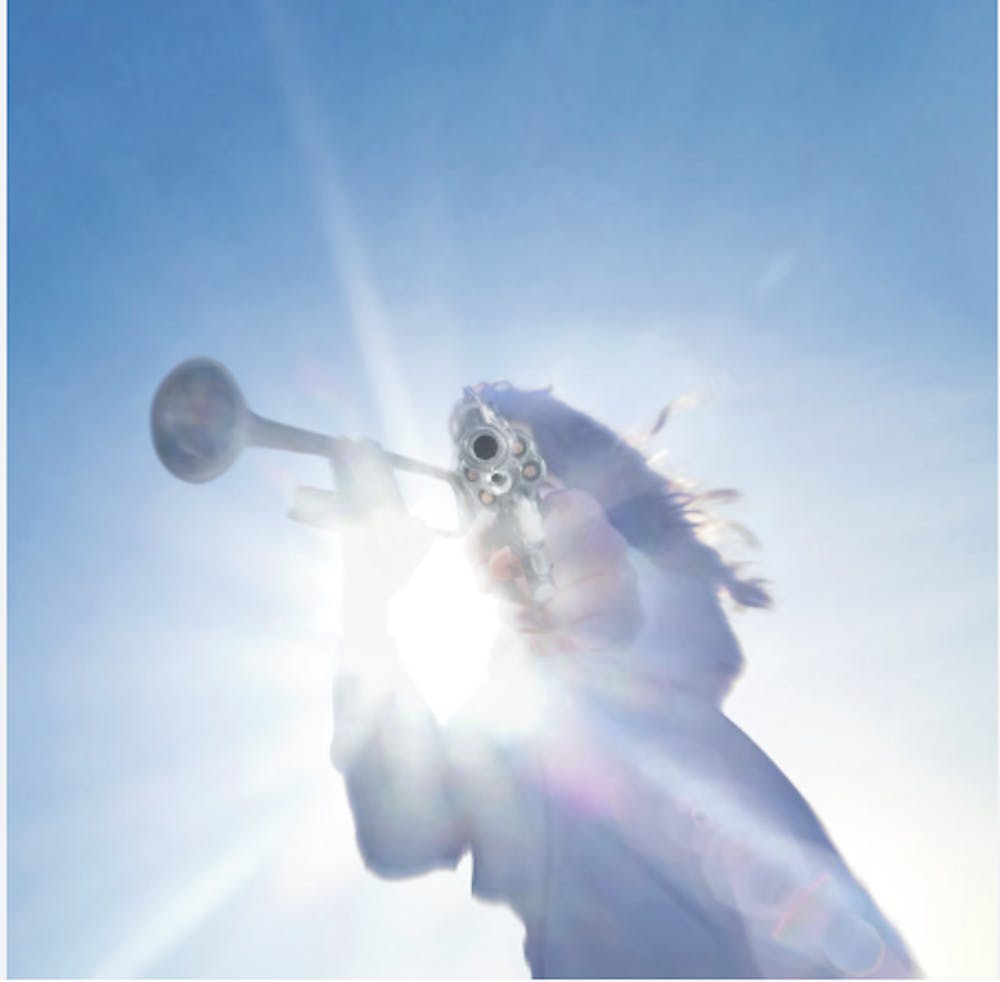
Geese, a quartet committed to exploring every facet of art-rock and post-punk, have been riding the exponential highs brought by 2023’s 3D Country – an album that undoubtedly disproved the notion that there’s no good “rock music” anymore. Expectations were rightfully high for what the band had next, and on September 26th, after teasing singles throughout the summer, their third studio album, Getting Killed, had finally arrived.
“Trinidad” opens the record with guttural ferocity and a performance that sounds as if it’s unraveling in real time. It’s a descent into madness fueled by the mundanity of modern life; a descent Cameron frames not as ruinous, but as the first step toward societal liberation.
The cacophonous title track incorporates the album’s provocative title with juxtaposing ambiguity:
“I’m getting killed by a pretty good life”
The narrator acknowledges the “good” in his life, but sees the intrinsic lack of agency as something that will slowly erode his individuality. He questions what a “good life” really is if what gives him purpose is ultimately numbed. Like the album’s intro, this is another step Cameron takes to reach total freedom – an undefined aspiration, but one worth pursuing.
Geese’s volitional odyssey continues with “Islands of Men,” which cleverly critiques escapism as merely a distraction from real emancipation, through soaring vocals and a hypnotic marching rhythm. “100 Horses” feels like a desperate dream of freedom, with its enveloping multi-part harmony from Cameron evoking genuine divinity. The final line (“and now I must change completely”) is integral to the album’s thesis and trajectory of its narrator.
Other tracks like “Cobra,” “Half Real,” and “Au Pays du Cocaine“ take a bit of a detour and see Cameron delving into a topic that not even the most deified singer-songwriters can avoid mythologizing: the power and pitfalls of love. Geese’s dreamlike soundscapes give Cameron’s lyrics a softness; a universality that narrows the gap between himself and the listener. Love, as in life, is an inescapable seduction; anyone can find themselves in these songs.
“Bow Down” steers the album’s fiery momentum toward its final leg, as systematic control is tackled through some of Geese’s most unvarnished art-punk yet, reminiscent of the violent/spiritual dichotomy of ‘80s Nick Cave. Here, the narrator has reached his darkest point, with the penultimate “Taxes” functioning as his renunciation. He acknowledges past wrongs as his own mistakes, but also as symptoms of an innately problematic world. To grow, he sees detachment from societal limitations as paramount, and by the penultimate track’s near-celebratory climax, it truly feels like liberation is found.
The album races toward its conclusion with its near-seven-minute finale “Long Island City Here I Come,” an intense and polyrhythmic transcendence of the traditional “song,” in both structure and scope. Cameron’s stream-of-consciousness lyrics see him meditating on one’s role in the cosmos. Initially, Cameron claims, “nobody knows where they’re going except me,” but later concedes:
“I have no idea where I’m going,
Here I Come”
Cameron, or the narrator (by the album’s end, it’s hard to tell), embraces the unknown as a glorious antidote to modern life’s monotony. Whether “Long Island City” represents artistic enlightenment, death, or something else entirely, the point is freedom – existing on one’s own terms. The fate of the narrator is unclear…and isn’t that the point?
So is this Cameron’s own pilgrimage? Or Geese’s? What we hear is a band with a singular presence, releasing an album that not only embodies that, but knows it. The instrumental chemistry is undeniable: these aren’t just bandmates, but friends who travel, experiment, and seek the light together. Getting Killed is untamed, wholly original, and extends the mythos of Geese and their enigmatic frontman.
9/10


